South Eola
Condominium towers, townhomes and apartments near Lake Eola and Constitution Green. Compare parking, amenities, fees and the specific building’s financial health.

PLACES TO LIVE / THE CITY BEAUTIFUL
The skyline is only the beginning.
Lakefront walks. Brick-lined streets. Historic homes. Modern condominium living. Discover the downtown neighborhoods that feel like home.

Image unavailable from its publisher in this preview.
View source photograph ↗DOWNTOWN ORLANDO, FLORIDA
Downtown Orlando is not one neighborhood or one type of home. It is a collection of distinct places connected by Lake Eola, historic streets, cultural venues and the city's working center.
There is a real difference between a high-rise overlooking Lake Eola, a brick-street bungalow in Lake Eola Heights, a townhome near Thornton Park and a residence in the Central Business District. Each offers its own pace, costs and ownership considerations.
For buyers and sellers, the most useful conversation begins with the exact address, building or historic designation—not an average price for all of downtown.
A CITY WITH DEEP ROOTS
In 1883, the Summerlin family donated land around what became Lake Eola. The lake was recognized as a city park in 1888. The historic Church Street railroad depot, built in 1889 and dedicated in January 1890, helped shape Orlando's commercial center. Lake Eola Heights grew from former citrus land into one of the city's most architecturally varied residential areas; it was designated a local historic district in 1989. Modern residential towers now share the downtown landscape with these historic places.

Image unavailable from its publisher in this preview.
View source photograph ↗01 / LAKE EOLA PARK
Lake Eola Park sits at the center of downtown life. Its walking loop is approximately 0.9 mile, and its swan-shaped paddle boats, amphitheater, gardens and landmark fountain give nearby residents a distinctive everyday destination.
The City of Orlando traces the park to 1888; the swans arrived in 1922, and the current Linton E. Allen Memorial Fountain dates to 1957. The park hosts a range of public activities and events, so buyers near the lake should consider both the lifestyle benefits and event-day activity.
EXPLORE OFFICIAL LAKE EOLA HISTORY ↗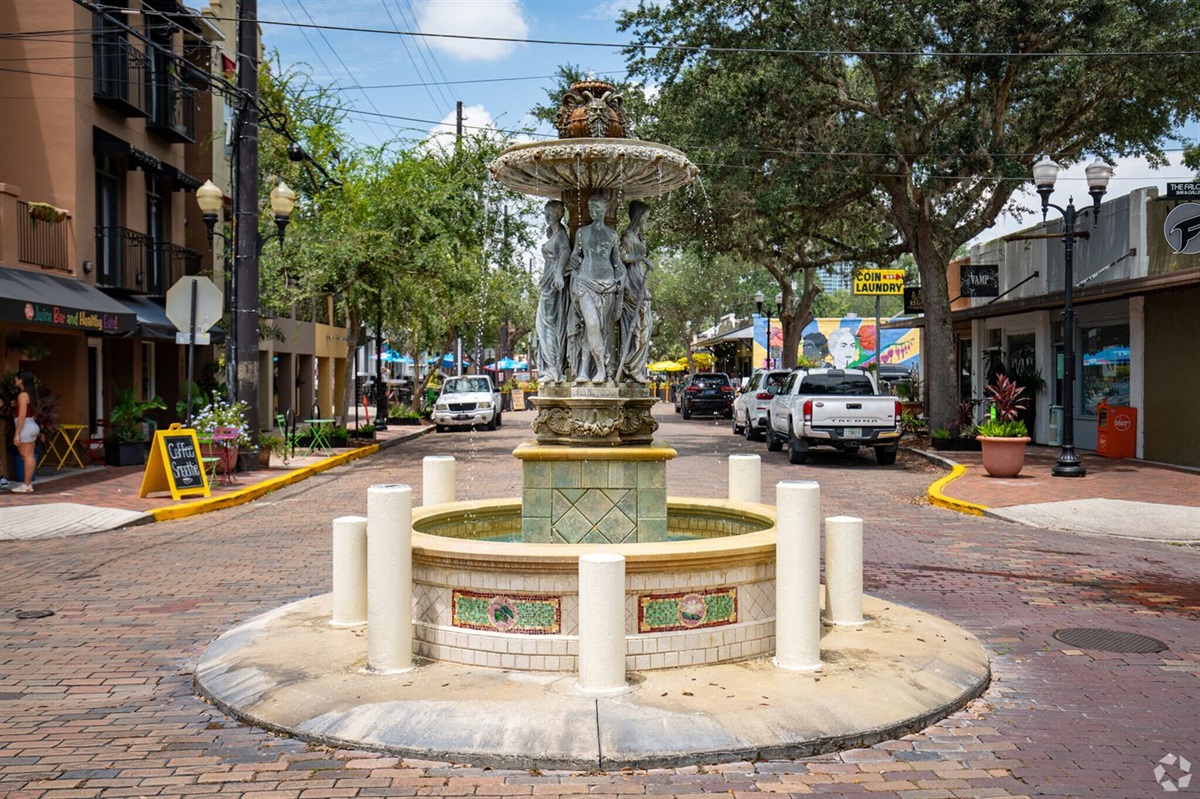
02 / THORNTON PARK
East of Lake Eola, Thornton Park pairs locally owned restaurants and shops with bungalows, brownstones and condominiums. Brick-paved streets and walkable blocks make it a favorite for people who want city amenities without living exclusively among high-rises.
For homebuyers, the neighborhood offers several property types. The practical questions include parking, condition, nearby business activity, association rules where applicable, and the difference between a restored older home and newer construction.
DISCOVER THORNTON PARK DISTRICT ↗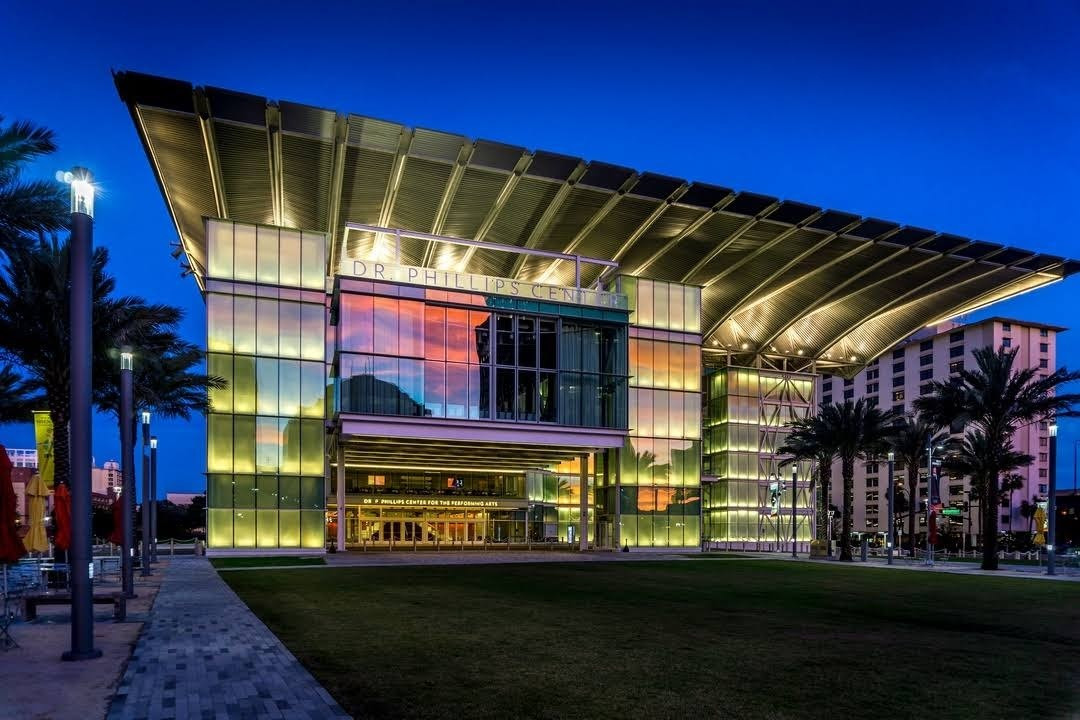
Image unavailable from its publisher in this preview.
View source photograph ↗03 / CULTURE AT YOUR DOORSTEP
The Dr. Phillips Center for the Performing Arts opened in November 2014 and anchors downtown's cultural scene at 445 S. Magnolia Avenue. Performances, community events, restaurants and nearby venues make the area an active place to live.
The Central Business District brings employment, dining and nightlife together, but buyers should visit the blocks around a prospective home at different times of day. A lively entertainment district may be ideal for one buyer and less desirable for another.
VISIT DR. PHILLIPS CENTER ↗THE DOWNTOWN PHOTO JOURNAL
Railroad history, city-center architecture and modern residential living—three perspectives on how downtown continues to evolve.

Image unavailable from its publisher in this preview.
View source photograph ↗
Image unavailable from its publisher in this preview.
View source photograph ↗Image unavailable from its publisher in this preview.
View source photograph ↗NEIGHBORHOOD GUIDE
Whether you're looking for a condominium near Lake Eola or a historic house on a shaded street, the district matters as much as the property itself.
Condominium towers, townhomes and apartments near Lake Eola and Constitution Green. Compare parking, amenities, fees and the specific building’s financial health.
Neighborhood restaurants, older houses, brownstones and condominiums east of Lake Eola. Balance walkability with parking, noise and property condition.
Tree-lined brick streets, Craftsman bungalows and varied early architecture. Local historic-district rules can affect exterior renovation plans.
Office towers, dining, entertainment and urban residential buildings. Study building rules, nearby nightlife and your actual daily commute.
Residential and mixed-use blocks north of the core, with a different feel from Lake Eola’s immediate surroundings. Review exact block and access.
Downtown’s western neighborhoods include newer mixed-use development and significant local history. Property type and street character vary.
REAL ESTATE ADVICE FROM DAVID
Review governing documents, association financials, reserves, insurance, pending assessments, milestone inspection and structural-integrity reserve study information when applicable.
Look beyond the mortgage: association fees, property taxes, insurance, parking charges, special assessments and utilities can change the equation.
Confirm whether parking is deeded or assigned, guest parking rules, pet restrictions, leasing minimums and approval requirements.
Inspect older systems and confirm whether exterior alterations need historic-preservation approval. Permitted work and documented improvements matter.
Walk the immediate area on weekdays and evenings. Traffic, events, street activity and noise differ between neighborhoods and even adjacent buildings.
A meaningful comparative market analysis accounts for building, view, floor level, fees, assessments, renovations, condition and neighborhood—not just square footage.
“Downtown Orlando is a collection of different markets. A good decision starts with understanding the building, the block, and the complete cost of ownership.”— David Dorman
DOWNTOWN ORLANDO HOMES FOR SALE / FAQ
Downtown Orlando includes several distinct districts, including the Central Business District, South Eola, Thornton Park, Lake Eola Heights, the North Quarter, Creative Village and other surrounding neighborhoods. Boundaries and housing types differ by area.
Yes. Lake Eola Park is in the heart of Downtown Orlando and has a paved walking loop of approximately 0.9 mile.
The City of Orlando recognizes Lake Eola as a public park dating to 1888, following the Summerlin family donation of land around the lake in 1883.
Yes. The City of Orlando operates swan-shaped pedal boat rentals at Lake Eola Park, subject to current hours, weather and availability.
Thornton Park is known for brick-lined streets, restaurants, neighborhood businesses, bungalows, townhomes and condominiums east of Lake Eola.
South Eola is a downtown neighborhood south and east of Lake Eola Park, with condominium towers, apartments, townhomes and walkable access to parks and restaurants.
Yes. Lake Eola Heights became a local historic district in 1989 and was listed on the National Register of Historic Places in 1992.
Properties within the City of Orlando historic preservation overlay may require review and approval for certain exterior work. Check the exact address and proposed project with the city before buying or renovating.
The area includes high-rise and mid-rise condominiums, townhomes, apartments and historic single-family homes. The mix changes by neighborhood.
Review the condominium declaration, budget, reserves, recent financial statements, assessments, insurance, inspection and milestone reports where applicable, parking assignments, pet and rental rules, and pending litigation.
No. Monthly assessments vary by building, amenities, insurance, reserves, staffing and maintenance needs. Compare what the fee covers rather than comparing the number alone.
No. Assigned, deeded, valet, shared and separately purchased parking arrangements vary by property. Verify the parking rights in the governing documents.
Many blocks around Lake Eola, Thornton Park and the Central Business District have nearby dining, services and parks, but walkability varies by specific address and destination.
Downtown Orlando is served by LYNX bus routes, the fare-free LYMMO downtown circulator and SunRail at stations including Church Street and LYNX Central Station. Verify current service schedules.
The Dr. Phillips Center is at 445 S. Magnolia Avenue in Downtown Orlando. It opened in November 2014.
The Old Orlando Railroad Depot on Church Street was built in 1889 and dedicated in January 1890, helping establish Church Street as an important commercial and transportation corridor.
Review the roof, electrical and plumbing systems, foundation, moisture intrusion, termites, previous renovations, insurance and any preservation approvals or permitting requirements.
Use relevant recent closed sales and active competition while adjusting for building condition, reserves, fees, assessments, parking, view, floor level, renovations and neighborhood characteristics.
Yes. City zoning, condominium and association rules, building policies and licensing requirements can restrict rentals. Confirm what is actually permitted at the specific address.
Define your preferred district, budget, property type, parking needs, pet requirements and desired lifestyle. Obtain financing or proof of funds and review each building or property before making an offer.
YOUR NEXT MOVE IN DOWNTOWN ORLANDO
Considering a condo overlooking Lake Eola, a Thornton Park townhome or a historic property? I'll help you evaluate the location, condition, documents and financial details before you make a decision.
When you hire David Dorman you GET David Dorman.

Broker Associate · CENTURY 21 Carioti
407-948-8295[email protected]daviddorman.comCONTACT DAVIDAn AI guide, not David personally. Voice uses an AI-generated voice. Your questions and audio are processed to provide answers. Please don’t share sensitive information.