
Table of Contents
- What Makes Florida Home Purchase Contracts Different
- Key Clauses in the Florida FAR/BAR Contract Explained
- What Are Real Estate Contingency Clauses and Why They Matter
- How to Negotiate Repairs After Home Inspection in Florida
- Your Contract Review Checklist Before Signing
- Common Mistakes Buyers Make With Florida Home Purchase Contracts
- Frequently Asked Questions
Last Updated: September 22, 2026
What Makes Florida Home Purchase Contracts Different
Florida home purchase contracts work differently from most states, and that difference trips up buyers who move here from elsewhere. The standard Florida residential contract runs about 12 pages, packed with clauses that shift risk between buyer and seller in ways other states don’t. At David Dorman Realtor, we walk Ocoee and Central Florida buyers through every line before they sign.
The biggest difference is the “as-is” contract. In many states, sellers must fix certain defects before closing. Florida’s as-is version says the seller owes you nothing beyond disclosure. You buy the house in its current condition, and your only protection is your right to walk away during the inspection period. Miss that window and you own every problem the house has.
That single rule shapes everything else in the deal. It changes how you write your offer, how fast you move, and how you negotiate repairs. The rest of this guide breaks down each clause so you know exactly what you’re signing.
Florida Realtors official contract resources
Key Clauses in the Florida FAR/BAR Contract Explained
The FAR/BAR contract is the standard form used in most Florida home sales, and it covers financing, appraisal, inspection, and title in one document. Each clause gives you a specific right or deadline. Here’s how the two most important ones work.
Financing and Appraisal Clauses
The financing clause protects you if your lender says no. If you can’t get a mortgage on the terms written in the contract, you can cancel and get your deposit back. But the clause only covers the loan type and terms you specified. Change your loan program mid-deal and you may lose that protection.
The appraisal clause is separate, and it matters in a rising market. If the home appraises below the purchase price, this clause lets you renegotiate or walk. Without it, you’d have to cover the gap in cash. A common mistake is waiving the appraisal to win a bidding war. That works until the appraisal comes in low, and then you’re on the hook for the difference.
Inspection and Repair Provisions
The inspection clause gives you a set window, often 10 to 15 days, to hire inspectors and decide what to do next. You can accept the home, ask for repairs, request a credit, or cancel. The seller can say no to any request. If they do, you decide whether to move forward or walk.
Florida’s as-is contract means the seller isn’t required to fix anything. Your use comes from your right to cancel during the inspection period. Use that window well. Bring in a licensed inspector, and add specialists for roof, septic, and pool if the home has them.
Waiving your inspection period to make your offer look stronger is the most expensive shortcut in Florida real estate. Once that window closes, you’ve accepted the home in its current condition, and you lose your main exit. No repair credit, no cancellation, no recourse.
What Are Real Estate Contingency Clauses and Why They Matter
Real estate contingency clauses are conditions written into a contract that let a buyer cancel the deal and keep their deposit if something specific goes wrong. Think of them as escape hatches tied to deadlines. In Florida, the main ones cover financing, appraisal, inspection, and title.
Each contingency has a clock. Miss the deadline and the clause expires, along with your protection. That’s why dates matter more than almost anything else in a Florida contract.
- Financing contingency: protects you if your loan falls through
- Appraisal contingency: protects you if the home appraises low
- Inspection contingency: your window to review condition and negotiate
- Title contingency: covers problems with ownership or liens
Contingencies are also your negotiation tools. A seller comparing two offers looks at which one is more likely to close. Fewer contingencies look cleaner, but they also strip your protection. The trick is keeping the clauses that matter and tightening your deadlines instead of removing them.
How to Negotiate Repairs After Home Inspection in Florida
Negotiating repairs after a home inspection in Florida comes down to one thing: your right to cancel. You don’t demand fixes. You present findings and ask the seller to address them, knowing you can walk if they refuse.
Start with the big-ticket items. Roof, foundation, plumbing, electrical, and HVAC drive the conversation. Cosmetic issues rarely move a seller. If the inspector finds a failing roof, ask for a credit or a repair, and be ready to justify it with the report.
A few tactics that work in this market:
- Ask for a credit instead of repairs, so you control the work and the contractor
- Focus on safety and structural issues, not paint and fixtures
- Keep your list short, since long lists read as nitpicking
- Know your walk-away number before you start negotiating
Sellers in a strong market may refuse everything and bet you won’t walk. That’s a real risk. Decide in advance what you’ll accept. If the seller won’t budge on a serious defect, canceling during your inspection period is a legitimate outcome, not a failure.
U.S. Department of Housing and Urban Development homebuying resources
Your Contract Review Checklist Before Signing
Before you sign any Florida purchase contract, work through a checklist so nothing slips past you. The goal is simple: know every deadline, every dollar, and every exit before your pen hits the page.
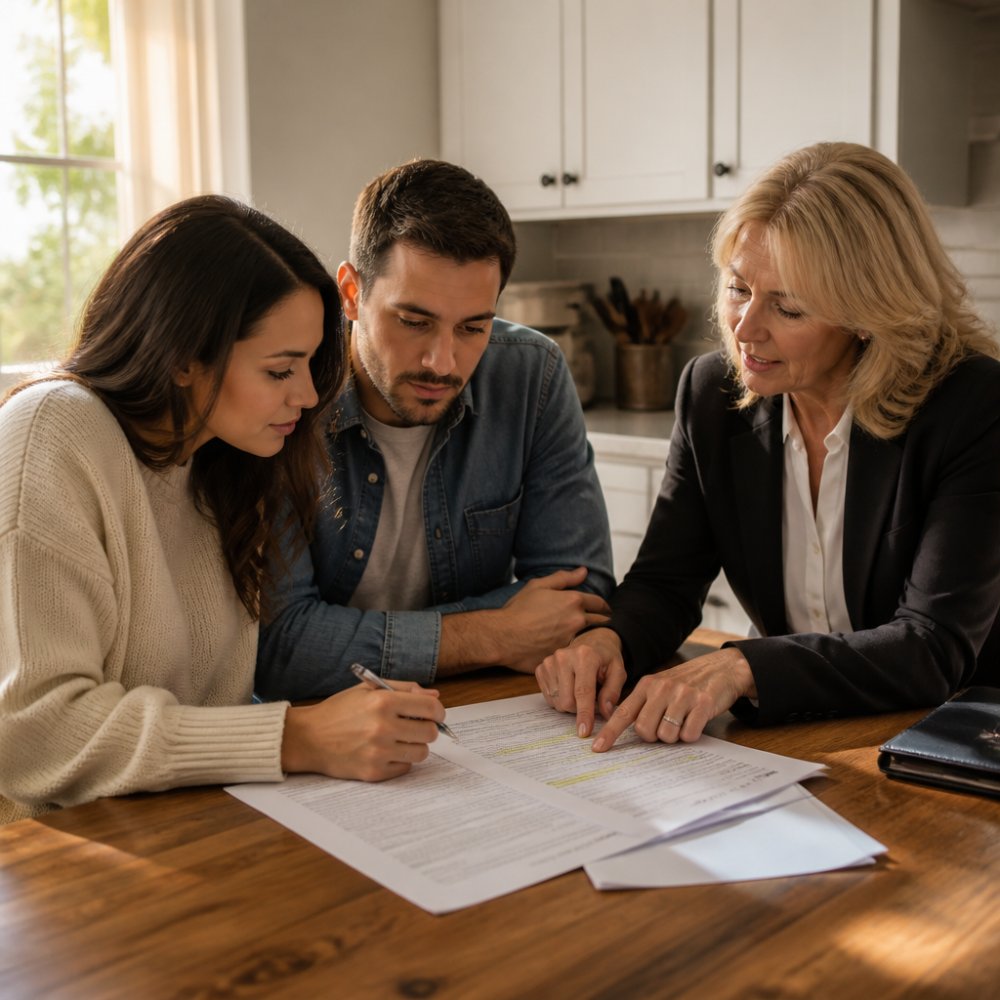
Run through these items every time:
- Confirm the purchase price and deposit amount
- Check every date: inspection, financing, appraisal, closing
- Read the financing terms and loan type carefully
- Confirm the inspection period length and end date
- Note what stays with the home and what leaves
- Review the title and any HOA rules or fees
- Understand your cancellation rights and deadlines
- Ask about anything you don’t understand before signing
| Clause | What It Protects | Deadline to Watch |
|---|---|---|
| Financing | Your deposit if the loan fails | Loan approval date |
| Appraisal | You if the home appraises low | Appraisal deadline |
| Inspection | Your right to cancel or ask for repairs | End of inspection period |
| Title | You if ownership or liens are a problem | Title review date |
A common mistake is skimming the contract because it looks standard. It is standard, but the blanks are where your deal lives. The dates, amounts, and checkboxes decide your rights.
Photograph every page of the signed contract and set calendar reminders for each deadline the day you sign. Sellers and lenders rarely remind you, and a missed inspection date can cost you your deposit and your exit.
Common Mistakes Buyers Make With Florida Home Purchase Contracts
The same mistakes show up again and again, and most of them trace back to deadlines. Buyers treat the contract as paperwork to get through instead of a set of rights with expiration dates. Here’s what to avoid.
- Waiving the inspection or appraisal to win a bidding war
- Missing the inspection deadline and losing the right to cancel
- Assuming the seller must fix defects in an as-is deal
- Skipping the HOA documents and their fees
- Not reading what conveys with the home
- Forgetting that verbal promises mean nothing unless they’re in writing
The last one catches people most. A seller can promise to fix the roof, replace the fridge, or leave the washer. If it isn’t written into the contract, it isn’t enforceable. Get every promise in writing before you sign.
Working with a local agent who reads these contracts every week is the simplest way to avoid these traps. Working with a local agent who reads these contracts every week is the simplest way to avoid these traps. At David Dorman Realtor, we’ve guided buyers through Florida contracts, including first-time buyers and relocating families across Ocoee, Orlando, and Windermere.
Florida home purchase contracts reward buyers who read carefully and move on time. The clauses protect you only if you respect their deadlines. David Dorman Realtor brings Central Florida experience to every deal, with an exclusive interactive search portal, personalized step-by-step guidance, and access to professional mortgage resources.
Frequently Asked Questions
What are the most common contingencies in a Florida real estate contract?
The most common contingencies in Florida home purchase contracts include financing, appraisal, home inspection, and clear title. A financing contingency protects you if your loan falls through. An appraisal contingency lets you renegotiate if the home appraises below the purchase price. Inspection contingencies give you time to evaluate the property’s condition. Title contingencies ensure no liens or ownership disputes exist. These clauses work together to protect your deposit and give you exit options if problems arise.
Can I back out of a home purchase contract in Florida without losing my deposit?
Yes, but only if you have a valid contingency in place. Florida home purchase contracts typically include financing, inspection, and appraisal contingencies. If you cancel within the contingency period for a covered reason, you can recover your deposit. Once contingencies expire or are waived, backing out usually means forfeiting your earnest money. Review your contract carefully and act within stated deadlines. Consulting a real estate professional before canceling helps you understand your specific rights.
How does the Florida FAR/BAR contract protect buyers?
The Florida FAR/BAR contract includes built-in protections like contingency clauses for financing, inspection, and appraisal. It sets clear deadlines for each step, giving buyers time to evaluate the property and their loan. The contract also specifies how deposits are handled and what happens if either party defaults. Buyers can negotiate repairs or cancel within contingency periods. Understanding these clauses before signing helps you avoid surprises and protects your financial interests throughout the transaction.
What happens if a home inspection reveals major issues in Ocoee, FL?
If an inspection reveals major issues, you have options under your Florida home purchase contract. You can request repairs, ask for a price reduction, or cancel the contract if you are still within the inspection contingency period. In Ocoee and across Central Florida, sellers may agree to fix certain items or offer credits at closing. Your realtor can help you negotiate based on the inspection findings. Acting quickly and documenting everything in writing protects your position.