
Table of Contents
- Why Buyers Look Beyond New Construction in Orlando
- Pros and Cons of Buying New Construction vs Resale in Florida
- Resale Homes in Established Orlando Neighborhoods
- First Time Home Buyer Steps in Florida 2026
- Renovation Loans for Older Homes in Orlando
- Lease to Own and Other Creative Paths to Homeownership
- Which Alternative Fits Your Situation?
- Conclusion
- Frequently Asked Questions
Last Updated: September 25, 2026
Why Buyers Look Beyond New Construction in Orlando
Buyers searching for alternatives to buying new construction in Orlando are usually chasing three things: location, character, and a shorter wait. New builds dominate the headlines, but they aren’t the only path to a Central Florida address. This guide from David Dorman Realtor walks through what actually works in the current market, from established resale neighborhoods to lease-to-own arrangements.
Here’s the tension most buyers don’t see coming. Builder incentives get all the attention, yet many buyers in Ocoee, Windermere, and the greater Orlando area end up happier in an existing home they can negotiate on, inspect thoroughly, and move into without a construction timeline hanging over them. According to Florida Realtors market data, existing-home inventory across the state continues to give resale buyers real use that new-build buyers simply don’t have.
That’s the throughline of this article: new construction isn’t the default, and for plenty of buyers it isn’t even the best option. Below, we break down each alternative, who it fits, and what it costs you in time and money.
Key Takeaway“Alternatives to buying new construction” isn’t one strategy, it’s four: resale homes, renovation financing, lease-to-own, and creative hybrid paths. The right one depends on your timeline, cash position, and appetite for renovation.
Pros and Cons of Buying New Construction vs Resale in Florida
New construction wins on warranties and customization. Resale wins on location, mature landscaping, and negotiating room. That trade-off is the heart of the pros and cons of buying new construction vs resale in Florida, and it rarely breaks evenly.
New construction pros: builder warranties, energy-efficient systems, and the chance to pick finishes before move-in. New construction cons: long build timelines, premium pricing in desirable subdivisions, and limited room to negotiate because you’re often dealing with a sales office, not an individual seller.
Resale pros: established neighborhoods, larger lots in many cases, and genuine negotiation based on inspection findings. Resale cons: the seller won’t offer the rate buydowns or closing-cost credits builders sometimes advertise, and you may inherit deferred maintenance.
Factor New Construction Resale Home Move-in timeline Months to over a year Often 30-60 days Negotiating room Limited Based on condition and inspection Builder incentives Possible rate buydowns Rarely offered Neighborhood maturity New, still developing Established, mature trees Maintenance risk Low at first Depends on age and upkeepThe mistake buyers make is treating this as a pure price comparison. It isn’t. It’s a timeline and use comparison, and resale usually wins both.
Resale Homes in Established Orlando Neighborhoods
Resale homes in established Orlando neighborhoods offer something new subdivisions can’t manufacture overnight: mature trees, settled streets, and lots that were platted decades ago. For buyers who value location over newness, this is often the strongest alternative to new construction.
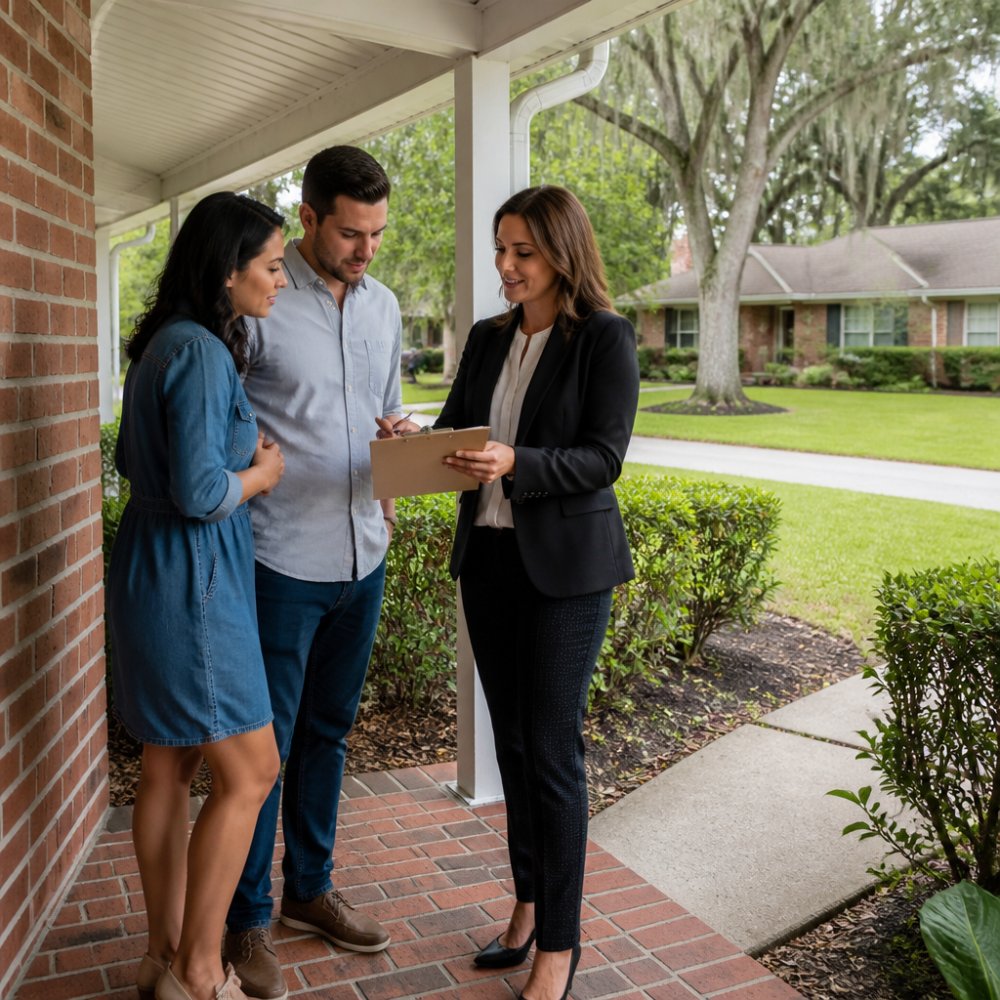
Older homes come with real advantages. You can negotiate on condition, request repairs after inspection, and walk away if the numbers don’t work. You also get a sense of the neighborhood that a half-built subdivision simply can’t give you. A common mistake is skipping a thorough inspection because the home “looks fine.” In practice, the inspection is your use. It’s where you find the roof age, the HVAC condition, and the little things that turn into real money later.
If you’re relocating from out of state, working with an agent who actually knows which Ocoee and Windermere streets hold value matters more than any listing photo. David Dorman Realtor’s interactive search portal gives clients a filtered view of resale inventory that public sites bury under new-build ads.
First Time Home Buyer Steps in Florida 2026
First-time buyers in Florida follow a sequence: get pre-approved, define your budget, tour homes, make an offer, complete inspection and appraisal, then close. The first time home buyer steps in Florida 2026 haven’t changed dramatically, but the financing tools available to you have.
Here’s the practical order:
- Pull your credit and fix errors before anyone checks it
- Get pre-approved, not just pre-qualified
- Set a true budget that includes taxes, insurance, and HOA dues
- Tour resale and new-build options side by side
- Make an offer and negotiate based on inspection
- Lock your rate and complete underwriting
- Close and get your keys
The step buyers rush is number three. A payment that fits on paper can strain a real budget once Florida property taxes and insurance enter the picture. Ask your lender to model the full monthly cost, not just principal and interest.
Watch OutSkipping pre-approval before touring homes is the single most common first-time buyer mistake. Sellers and builders treat pre-qualified buyers as unverified, and your offer can lose to a weaker bid that came with a real approval letter.
Renovation Loans for Older Homes in Orlando
Renovation loans let you buy an older home and finance the repairs in a single mortgage, which is often the difference between a fixer-upper that works and one that doesn’t. For buyers eyeing older Orlando properties, this is one of the most underused alternatives to new construction.
The two main options are FHA 203(k) loans and Fannie Mae HomeStyle loans. Both fold renovation costs into your mortgage, but they differ in scope and requirements. A 203(k) works well for moderate repairs, while HomeStyle can cover larger structural projects. Your lender handles the details, and the timelines run longer than a standard purchase because the renovation has to be approved and inspected.
A common mistake is underestimating the renovation budget. Contractors quote labor and materials, but permits, inspections, and surprises add up. Build in a cushion, and get at least two contractor bids before you commit. If you’re coming from a new-build mindset where everything is turnkey, expect renovation financing to demand more of your attention upfront.
Lease to Own and Other Creative Paths to Homeownership
Lease-to-own arrangements let you rent a home with an option to buy it later, typically locking in a purchase price or a portion of rent as a credit toward your down payment. It’s a genuine alternative for buyers who need time to improve credit or save cash.
Other creative paths include seller financing, where the seller acts as the lender, and assumable mortgages, where you take over the seller’s existing loan. Each has trade-offs. Lease-to-own usually carries an option fee and a higher monthly rent, and if you don’t exercise the option, you can lose what you paid in. Seller financing can be flexible but often comes with higher rates.
What most guides miss is that these paths reward preparation, not desperation. Sellers offering lease-to-own want a buyer who’s clearly on track to qualify. If you walk in with a plan and a timeline, you negotiate from strength. David Dorman Realtor’s Lease to Own program is built around exactly that kind of buyer.
Which Alternative Fits Your Situation?
The right alternative depends on three variables: your timeline, your cash, and your tolerance for renovation. Match your situation to the option below and you’ll skip months of second-guessing.
- Need to move within 60 days? Resale home in an established neighborhood.
- Want a lower price but willing to renovate? Renovation loan on an older property.
- Need time to build credit or savings? Lease-to-own.
- Found a seller open to creative terms? Seller financing or an assumable mortgage.
- Want new but hate the wait? A recently built resale, often one to five years old.
Buyers searching for alternatives to buying new construction in Orlando near me should start by being honest about which variable matters most. The answer usually makes the choice obvious.
Conclusion
The hardest part of buying in Central Florida isn’t finding a home, it’s choosing the right path before you start touring. New construction isn’t your only option, and for many buyers it isn’t the best one. David Dorman Realtor brings industry-leading experience since 1999, a Lease to Own program, and specialized expertise in probate and short sales to help you weigh resale, renovation, and creative financing against a new build.
Frequently Asked Questions
Is it cheaper to buy a new construction home or a resale home in Orlando?
It depends on the specific property and market conditions. Resale homes often have a lower price per square foot, but may need updates. New construction typically includes builder incentives like rate buydowns or closing cost assistance, which can offset a higher list price. Florida Realtors publishes monthly market data comparing median sales prices for existing homes, giving buyers an objective starting point for their own comparison.
What are the hidden costs of buying new construction in Central Florida?
New construction often involves costs beyond the base price: lot premiums, structural upgrades, design center selections, landscaping, fencing, and in some communities, HOA fees that start immediately. There can also be delays in completion that extend temporary housing costs. Resale homes let you see the final product and negotiate based on inspection findings, which can reduce surprises.
What should first-time homebuyers in Florida know about renovation loans?
Renovation loans like FHA 203(k) or Fannie Mae HomeStyle let you finance the purchase price plus repair costs in a single mortgage. This is useful for older Orlando homes that need roofing, HVAC, or cosmetic updates. You will need contractor bids and a detailed scope of work before closing. A knowledgeable agent can help you structure the offer and timeline so the renovation financing aligns with the purchase contract.
Are older homes in Orlando more energy-efficient than new builds?
Not usually. New construction must meet current Florida Building Code energy standards, which typically means better insulation, windows, and HVAC efficiency. Older homes may have lower upfront costs but higher utility bills. A home energy audit can show what improvements would bring an older property closer to new-build efficiency, and renovation loans can finance those upgrades.
How does the appreciation rate of resale homes compare to new builds in Orlando?
Appreciation varies by neighborhood, not just by property type. Established areas with mature trees and proximity to employment centers often see steady demand. New construction in growing suburbs may appreciate faster during expansion but can face more competition from additional new phases. Reviewing recent sales trends for the specific ZIP code is more useful than comparing resale versus new construction as broad categories.