Residential Real Estate
Full-service buyer representation across Orlando, Ocoee, Winter Garden, Windermere, Clermont, and all of Central Florida—protecting your investment at every step.
Explore Buyer Guide →
Helping buyers and sellers navigate the Central Florida real estate market since 1999 with CENTURY 21 Carioti. Ranked in the top 1% of Realtors across Greater Orlando with proven, personal representation.
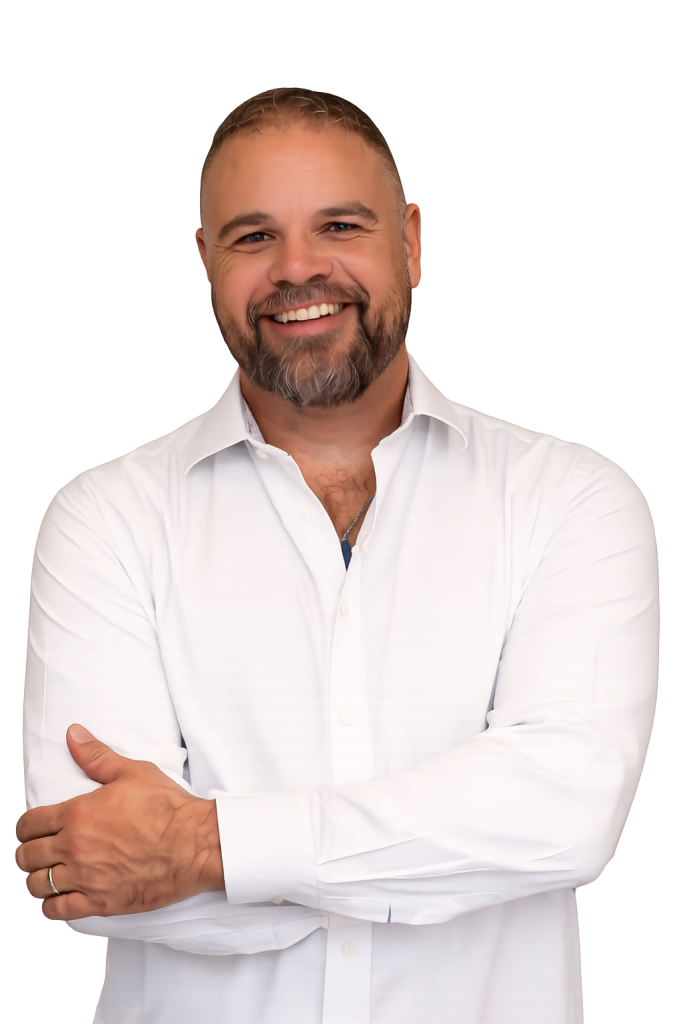
Whether you are purchasing your first starter home, relocating to Central Florida, or building a custom residence, David Dorman walks with you from pre-approval to closing day.
Full-service buyer representation across Orlando, Ocoee, Winter Garden, Windermere, Clermont, and all of Central Florida—protecting your investment at every step.
Explore Buyer Guide →Clear, patient guidance on mortgage pre-approval, home inspections, appraisal contingencies, and closing costs so you can purchase your first home with confidence.
First-Time Buyer Tips →Independent buyer representation when purchasing from builders—helping you compare communities, negotiate incentives, and oversee pre-drywall and final inspections.
Buy a Home Guide →Direct introductions to trusted Central Florida mortgage lenders, down-payment assistance options, and our interactive mortgage calculator to plan your monthly budget.
Financing & Calculator →Comprehensive marketing, data-driven pricing strategy, FAA-certified aerial media, and seasoned negotiation designed to maximize your home's sale price.
In-depth Comparative Market Analysis (CMA) tailored to your micro-neighborhood, property upgrades, and current Central Florida buyer demand.
Your Home's Value →Room-by-room consultation on high-ROI touch-ups, curb appeal, and staging techniques that help buyers fall in love at first sight.
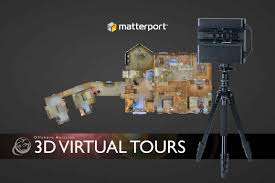
Sell Your Home →High-resolution photography, aerial drone video showcasing your lot and community amenities, and immersive virtual walkthroughs.
See Drone Marketing →Syndication across Stellar MLS, Zillow, Realtor.com, targeted social media campaigns, and the global CENTURY 21 Carioti network.
Selling Strategy →Unlock your current home's equity with innovative bridge and Knock Home Swap solutions so you can buy your next home before listing.
Explore Knock Loans →Compassionate, reliable handling of inherited and probate real estate—coordinating estate attorneys, cleanouts, repairs, and closing.
Probate Guidance →Decades of experience working with lenders, title companies, and Lien holders to resolve complex or distressed property sales.
Short Sale Help →Schedule a pressure-free consultation with David Dorman—and use David's enclosed moving trailer for free when you buy or sell!
Hire David Today
Born in Dover, Delaware and a Central Florida resident since 1979, David Dorman has been a full-time real estate professional since 1999. Before entering real estate, David spent 10 years in hospitality management—instilling a lifelong commitment to responsive communication, honesty, and white-glove client care.
David has been named to Orlando Magazine’s Hot 100 Realtors for 21 consecutive years, placing him in the top 1% of more than 20,000 real estate professionals across Central Florida.
From your first phone call to handing over the keys, you work directly with David Dorman—never passed off to an inexperienced team member.
We discuss your timeline, financial goals, target neighborhoods, and property priorities in a straightforward strategy session.
Buyers get curated MLS alerts and private tours; sellers receive staging advice, drone aerials, and global CENTURY 21 marketing.
Over 25 years of contract expertise protecting your earnest money, inspection repairs, appraisal terms, and net proceeds.
Full coordination with lenders and title agents through closing—plus complimentary use of David's moving trailer.
Having lived in Greater Orlando since 1979, David provides insider knowledge on schools, commute times, lakefront living, and neighborhood trends across Orange, Seminole, Lake, Osceola, and Polk counties.
Explore specialized real estate guides, financing tools, and representation services.
Personalized buyer representation across Orlando, Ocoee, Winter Garden, Windermere, Gotha, and Clermont.
Learn more →Global CENTURY 21 marketing, Matterport 3D tours, aerial drone media, and expert negotiation since 1999.
Learn more →End-to-end guidance for first-time buyers, move-up families, Central Florida relocations, and vacation home investors.
Learn more →Full-service listing preparation, pricing strategy, staging guidance, and contract-to-close representation.
Learn more →Find out what your home is worth in today's market with Homebot and a custom Comparative Market Analysis.
Learn more →Choose a home right out of the MLS and lease with the option to purchase through Home Partners of America.
Learn more →Read why generations of Central Florida families trust David Dorman with their most important real estate decisions.
"David helped us both sell our existing home in Ocoee and purchase our dream home in Winter Garden. His knowledge of the Central Florida market, attention to detail during inspections, and calm guidance made the entire process seamless."
"As first-time home buyers, we had a hundred questions. David never rushed us, pointed out structural and mechanical details we never would have noticed on our own, and negotiated seller credits that saved us thousands at closing."
"We have bought and sold four homes with David Dorman over the past fifteen years. His drone photography and marketing brought multiple offers within days, and borrowing his enclosed moving trailer was a huge bonus!"
"Handling an estate probate sale from out of state felt overwhelming until we hired David. He coordinated local contractors, kept us informed every week, and sold the property quickly above asking price."
Get step-by-step checklists, market insights, and preparation worksheets prepared for Central Florida home buyers and sellers.
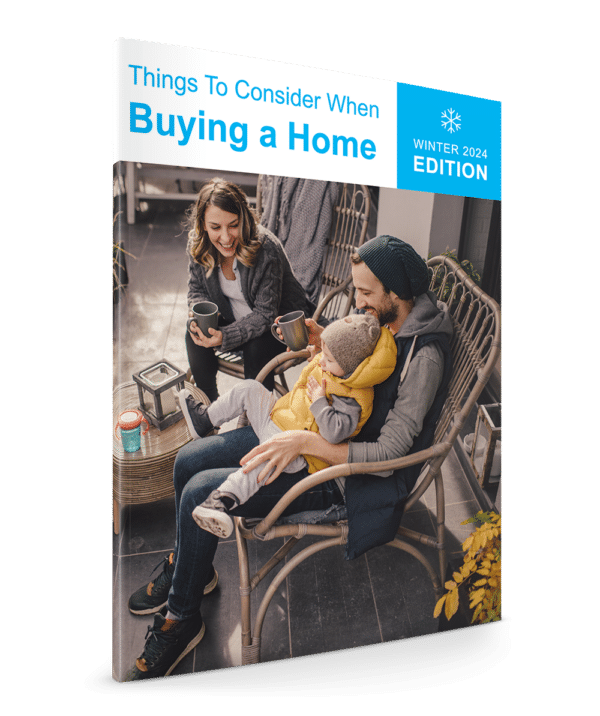
Everything you need to know about pre-approval, house hunting, inspections, and closing in Central Florida.
Download PDF
Proven strategies on pricing, staging, marketing, and negotiating the highest net return on your property.
Download PDF
A clear roadmap designed specifically for first-time buyers transitioning from renting to homeownership.
Download PDFCentral Florida market reports, homeowner advice, and community spotlights written by David Dorman.

By David Dorman, Broker Associate, CENTURY 21 Carioti I’ve been selling real estate since 1999, and if there’s one thing that continues to amaze me about …
Read Article →
First-time buyer in Florida? Learn how to pay closing costs, from assistance programs to seller concessions, plus what to expect at closing.
Read Article →
Discover the benefits of living in Ocoee Florida, from cost of living to neighborhoods and commute. Get your 2026 guide to calling Ocoee home.
Read Article →Over 25 years in Central Florida real estate, David has built a vetted network of local inspectors, lenders, title companies, and home service professionals.